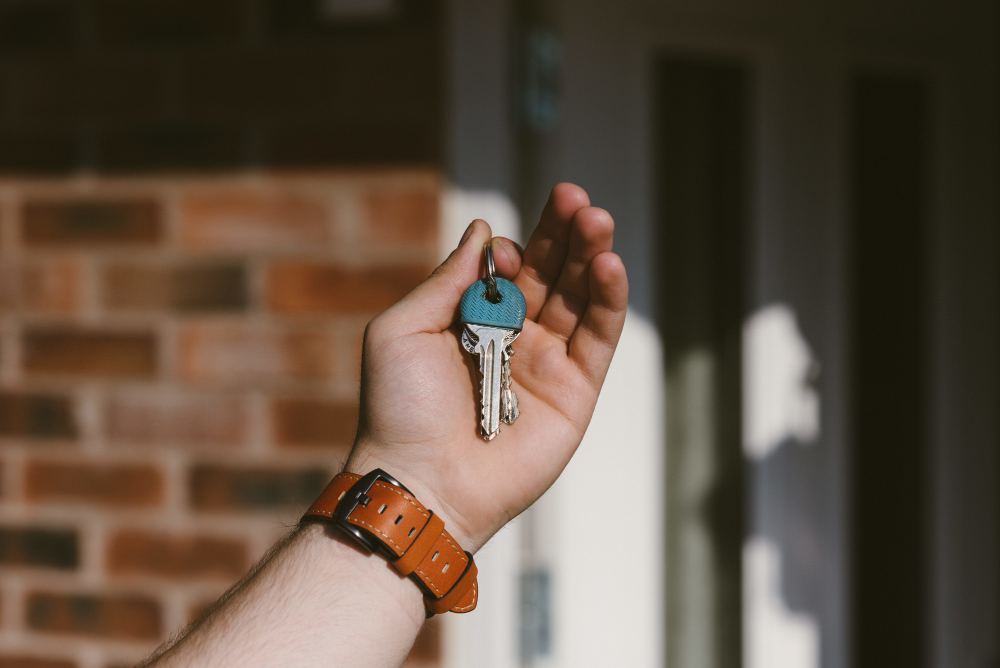
You've just received the keys to a new home. You did not receive a list of everyone else who has a copy.
Past owners, their relatives, a dog walker, contractors, a neighbor who watered the plants, and the lockbox from the listing agent. Any one of them could still have a working key, and there's no way you can tell. That is why one of the first things to do after closing is to change the locks and why the choice between rekeying and replacing matters.
Is It Better to Rekey or Replace My Locks?
For most new homeowners, rekeying is the better option. It prevents all old keys from working, keeps the hardware you already have on the doors, and costs a fraction of the price of new locks.
Replacing makes sense when the hardware is the issue, such as worn, corroded, cheap builder grade locks, or simply not the desired style or security level. In these cases, you are paying for an upgrade rather than just new keys.
A good locksmith will examine your locks and tell you which ones apply to each door. Many homes end up with a mix of locks, with the good ones rekeyed and one or two replaced.
What Rekeying Actually Does
Every lock cylinder holds a set of small pins cut to match one specific key. Rekeying swaps those pins for a new set that matches a new key.
The lock stays on the door and looks exactly the same. The difference is that every key cut before that moment stops working, including the ones you do not know about.
It is also the moment to set every exterior door to a single key. Front, back, garage entry and slider on one key is a small change that makes daily life noticeably easier.
When Replacing Is the Better Call
Rekeying only changes who can open the lock. It does nothing about the lock itself. Replace instead when:
- The lock is worn out. A key that needs wiggling or a bolt that catches is a cylinder near the end of its life.
- Salt air has got to it. Homes near the coast see corrosion faster, and a corroded cylinder is better replaced than rekeyed.
- It is builder grade hardware. Many homes come with the cheapest locks that passed inspection. An exterior door deserves better.
- You want an upgrade. A keypad or smart lock, a higher security deadbolt, or matching hardware across the house.
- A door has no deadbolt at all. Common on garage entry doors, which often carry an interior lock despite protecting the house.
What Each Option Costs
With SRQ Express Mobile Locksmith, rekeying runs $25 to $65 per lock. Lock repair or replacement runs $95 to $195, and a new deadbolt installation runs $95 to $145. Smart and keypad locks run $120 to $280 depending on the model and the door.
Prices vary depending on the lock, the door, and the amount of work involved. You receive the full price over the phone before anyone is dispatched.
What Is the Easiest Way to Change the Locks on a New House?
Have a mobile locksmith rekey them in one visit. There is nothing to buy, nothing to measure, and no trip to the hardware store to discover the replacement does not fit your door.
You can buy a rekeyable lock kit and do it yourself, but those only work with specific brands and only if every lock in the house matches. Most homes have a mix. Swapping the whole lockset yourself is possible too, though fitting a deadbolt properly, including anchoring the strike plate into the framing, is where DIY installs usually fall short.
Do Most People Change the Locks When They Buy a House?
Plenty of people do not, and it is one of the more common things new homeowners regret skipping. The house feels secure because nothing looks different, but the locks are exactly as accessible to past key holders as they were the day before closing.
Real estate agents and insurers both routinely recommend it, and it is a small cost compared to almost everything else involved in a move.
Do It Before You Move In
The best time is the day you get the keys, before furniture, before boxes, and before movers and helpers start coming and going.
Once you are moved in, it tends to slide down the list. Doing it first means every key that exists from then on is one you handed out yourself.
While we are there, we can also check the strike plates, fit a deadbolt on the garage entry door, and secure sliding doors, which are the other weak points most new homes come with.